
What the Property Tax Amendment Could Mean for Chatham County Schools
This November, North Carolina voters will consider a proposed constitutional amendment requiring the state legislature to establish limits on how much local governments can increase their property tax levies.
Chatham Education Foundation opposes the Property Tax Levy Limit Amendment. We believe Chatham County should retain the flexibility to invest in our public schools and supplement state funding to meet the needs of local students.
CEF joins other organizations across the state—including the North Carolina Association of County Commissioners, League of Women Voters of North Carolina, and NC Budget & Tax Center—in raising concerns about how limits on local revenue could affect counties’ ability to fund schools and other essential services.
Here’s why this matters for Chatham County Schools
Did you know that 375 positions in Chatham County Schools are funded with local dollars?
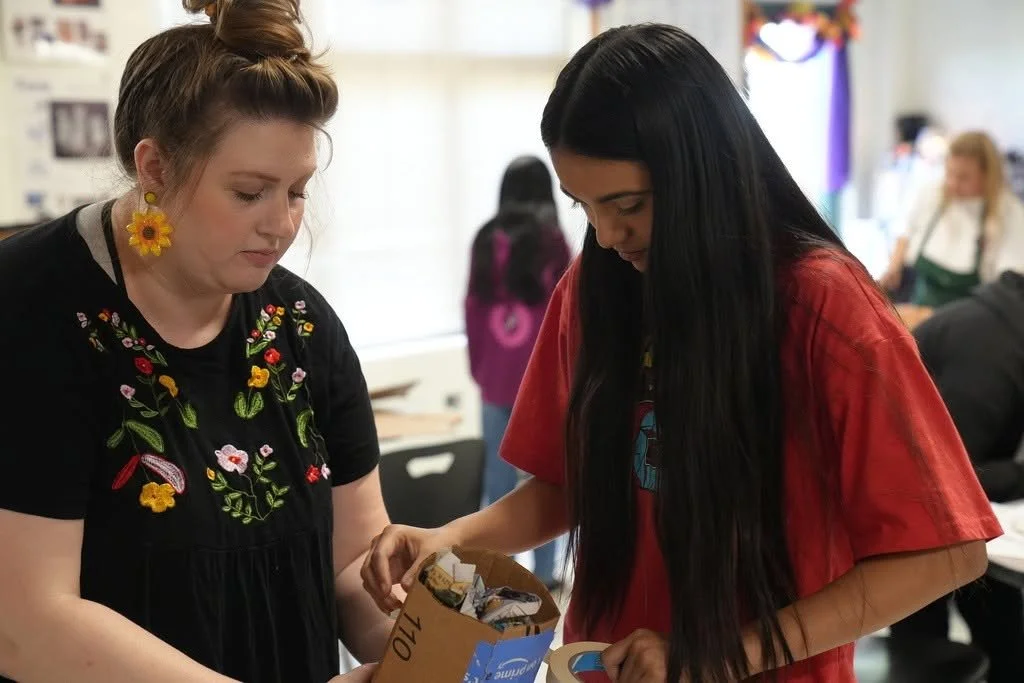
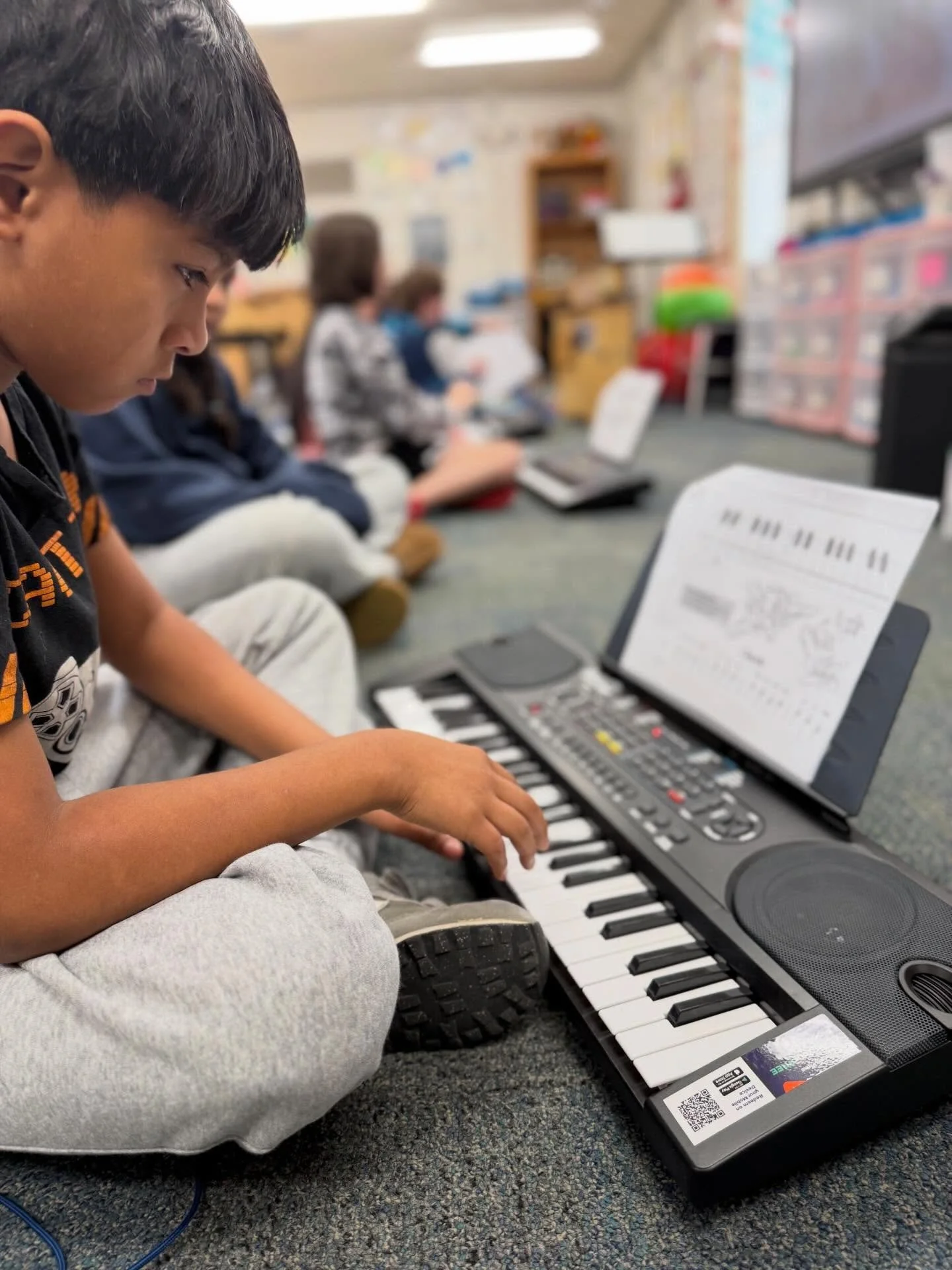
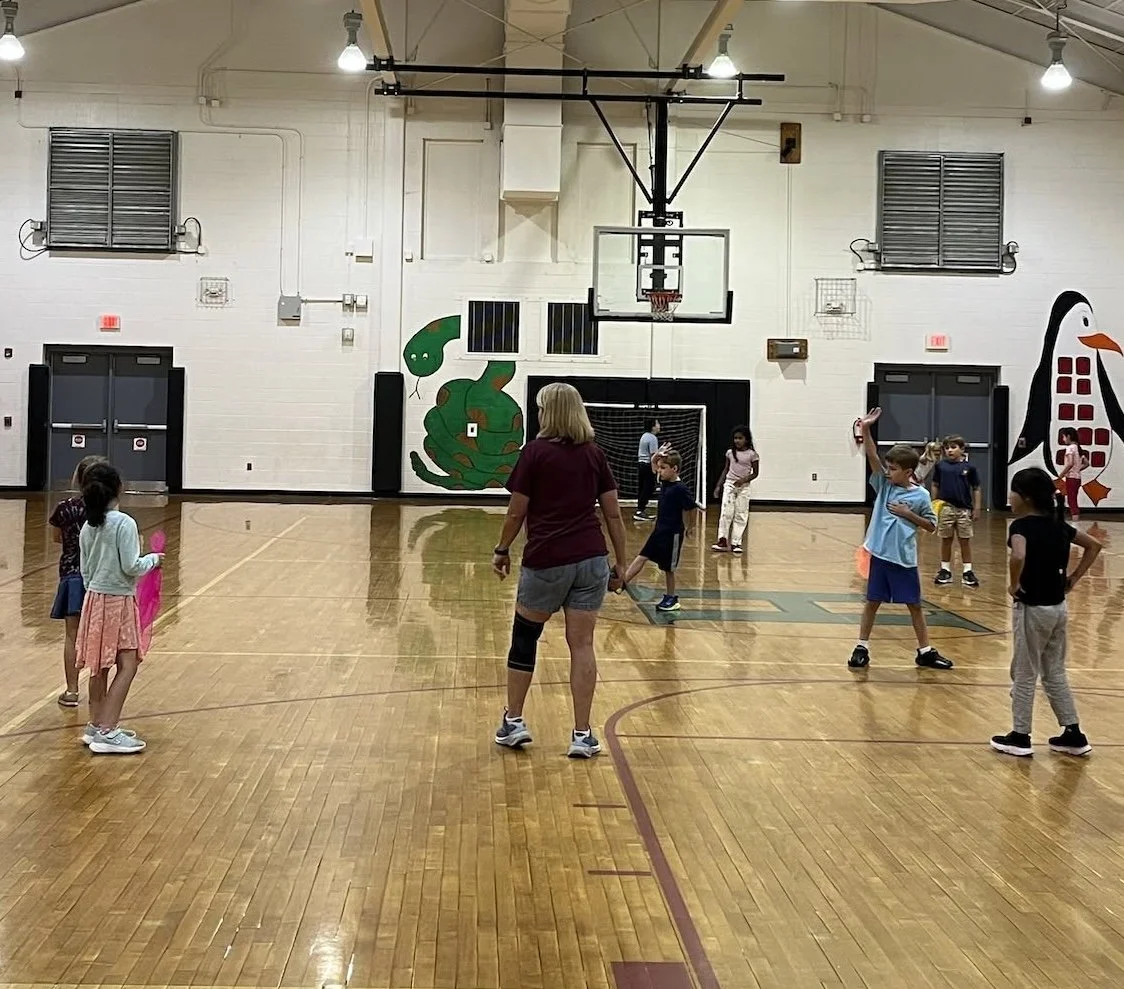
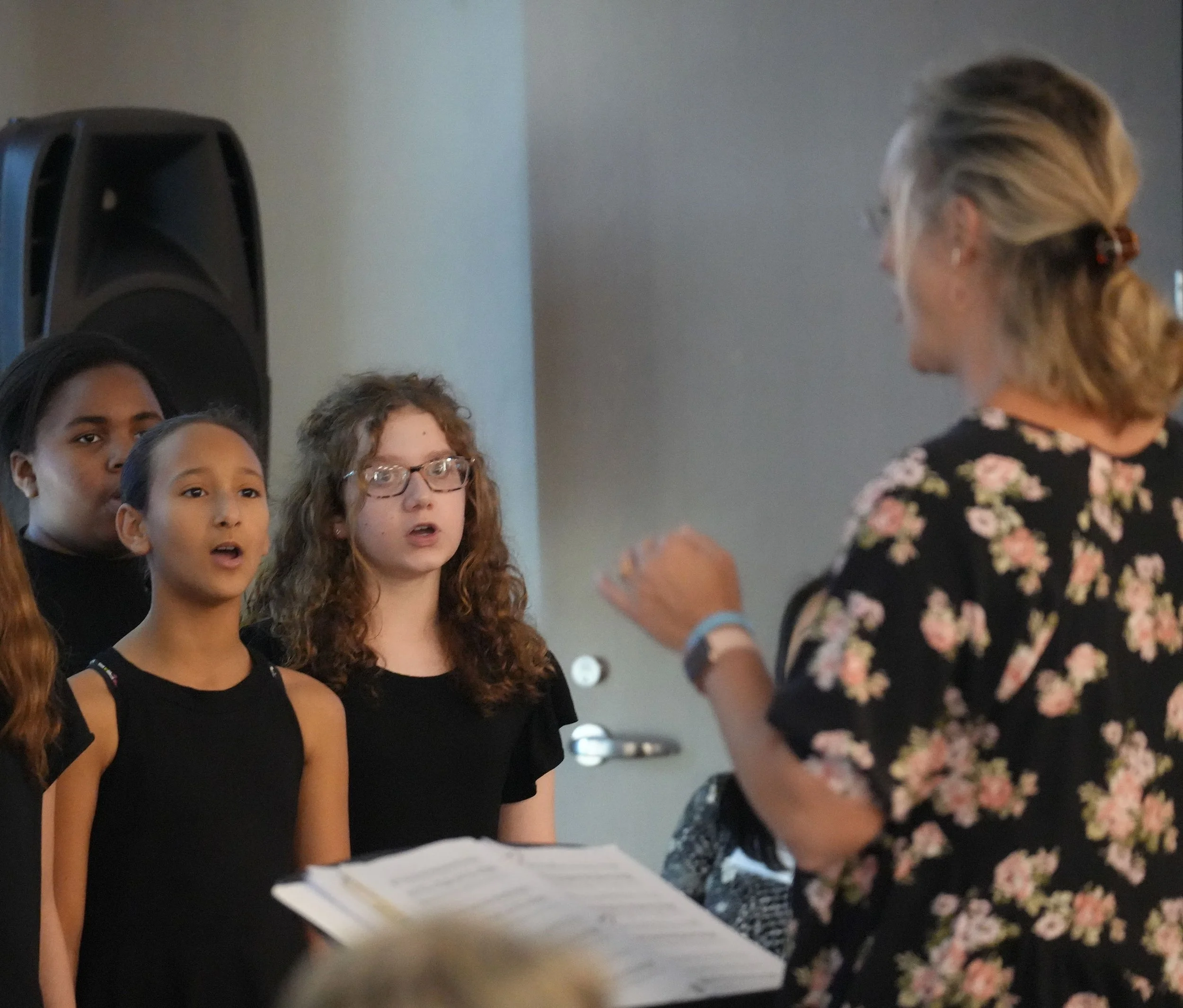
That includes 159 locally funded teaching positions: reading teachers, art teachers, music and chorus teachers, theater teachers, health and PE teachers, STEM teachers, and world language teachers. Local dollars also fund curriculum coaches and specialists who support teachers across the district.
And that's just the teaching positions. Local funding also pays for assistant principals, counselors, librarians, teacher assistants, technology staff, clerical staff, maintenance employees, and other positions in Chatham County Schools.
“State funding alone does not provide all of the positions needed to fully staff our schools and meet the needs of our students,” said Chatham County Schools Superintendent Dr. Kelly Batten. “We are fortunate to live in a county that recognizes the importance of investing in public education. That local support allows us to put additional teachers and staff in our schools and provide opportunities for students that state funding alone would not make possible.”
What the Amendment Would Do
The Property Tax Levy Limit Amendment would require the North Carolina General Assembly to enact laws limiting how much local governments can increase their property tax levies. The amendment does not, however, establish what that limit would be.
If approved, the General Assembly would determine the limit through future legislation, which could also include exceptions. That means voters are being asked to put a requirement for a property tax levy limit into the North Carolina Constitution without knowing what that limit will be or how it will be structured.
If the proposed amendment passes, it would not automatically cut school funding or eliminate locally funded positions. The actual impact would depend on the property tax levy limits established by the General Assembly.
Why Chatham Is Particularly Vulnerable
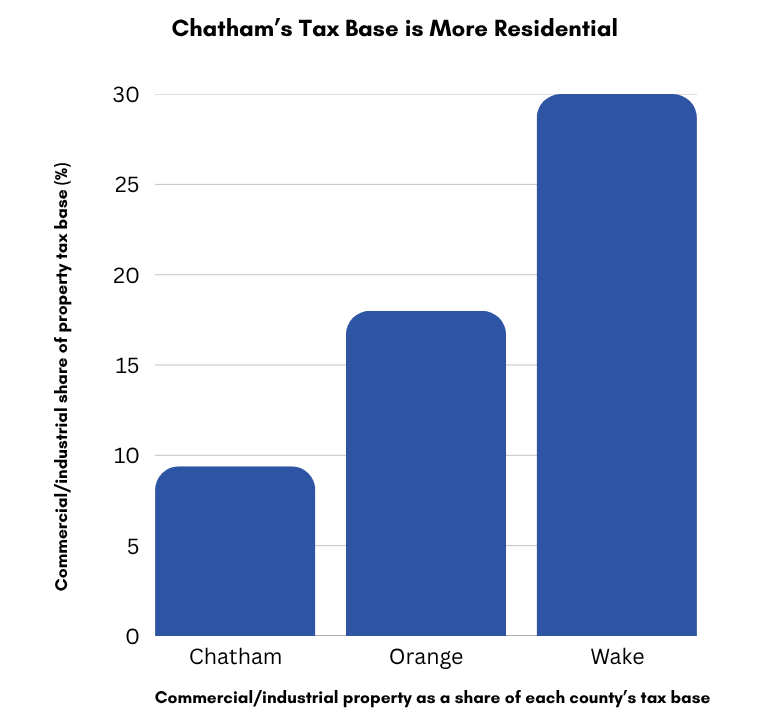
Chatham County relies heavily on residential property for its tax base. Commercial/industrial property accounts for about 9.4% of Chatham County's property tax base, according to Chatham Economic Development Corporation President Michael Smith.
For comparison, commercial/industrial property makes up approximately 18% of Orange County's tax base and 30% of Wake County's.*
That mix is significant because residential growth not only generates property tax revenue—it also increases demand for schools, emergency services, parks, libraries, and other county services. Commercial and industrial development can broaden the tax base without creating that same level of demand.
For our schools, the takeaway is simple: Chatham County already relies heavily on residential property taxes to generate the local revenue that helps fund hundreds of school positions beyond what the state provides. Limiting the county's ability to grow that revenue could make it harder to keep pace as our community—and the needs of our schools—continue to grow.
Why CEF Opposes the Amendment
North Carolina provides significant funding for public schools, but state dollars don't cover every position or program our local school system provides. Chatham County has chosen to invest additional local dollars in its schools, helping CCS fully staff schools and provide programs and opportunities beyond what state funding alone makes possible.
Depending on how it is structured, a future property tax levy limit could restrict the county's ability to increase revenue as the population grows, costs rise, and demand for county services—including schools—increases.
CEF believes decisions about how to meet those local needs should remain with the communities responsible for funding them. For that reason, Chatham Education Foundation opposes the Property Tax Levy Limit Amendment and encourages voters to vote against the amendment on November 3.†
Because behind the numbers are 375 locally funded school positions—and the students who depend on them every day.
*Not all development has the same impact on the county budget. A Chatham County study using FY 2021-22 data illustrates the difference: for every $1 in county revenue generated by commercial uses, the county spent about 29 cents providing services. For every $1 generated by residential uses, the county spent about $1.18 providing necessary community services.
†Or during early voting in Chatham County October 15–31.