Fall 2026 CEF Teaching Grants
Thank you for your interest in applying for a CEF Teaching Grant!
At CEF, we believe great ideas can transform learning. Through our CEF Teaching Grant program, we support innovative and creative teaching practices within the Chatham County Schools. Whether your project introduces a new instructional strategy, brings learning to life through hands-on experiences, strengthens literacy, integrates technology, or builds community partnerships, we encourage you to share your vision. We especially welcome projects that align with CEF's strategic commitments of Excellence, Opportunity, and Innovation and adhere to Chatham County Schools’ Portrait of a Graduate, helping students grow as empowered learners, future-ready leaders, global collaborators, and innovative designers.
We look forward to learning about your idea and the impact it will have on your students.
Before You Begin
Review the eligibility guidelines.
Obtain principal approval before submitting your application.
If requesting hardware or software, obtain prior approval from CCS Technology Services.
Gather budget information and supporting documentation.
Eligibility: CEF Teaching Grants are open to all certified teachers and instructional staff within the Chatham County Schools.
Application deadline: October 1, 2026
Funding: Grants are awarded based on the project’s scope, impact, and feasibility. Successful applications typically request between $100 and $1,000 but partial funding may be available for greater requests. Total funding available varies each year depending on the outcomes of CEF’s fundraising activities.
Notification date: All applicants will be notified of funding–full or partial–by November 2, 2026.
Benefits of CEF teaching Grants:
Enhance Learning: The grant supports projects that create engaging and interactive learning experiences, helping students develop critical thinking and problem-solving skills.
Boost Professional Development: Teachers have the opportunity to experiment with new teaching techniques and gain valuable insights into effective instructional practices.
Engage Community: Successful projects often involve collaboration with parents, local businesses, and community organizations, fostering a sense of community and shared responsibility for student success.
Projects more likely to receive funding:
Make learning more innovative, creative and/or engaging for student
Facilitate collaboration between grade levels, subject areas, or even between schools
Have sustainability/can be replicated
Have measurable outcomes
Relate to grade level curriculum
Reach a significant number of students or have a defined scope seen as a need in the school environment
*Applications repeating previously funded projects must include new elements and additional sources of funding.
**Applicants who have received CEF grants in the past must have completely fulfilled reporting requirements in order to be eligible to submit a new application.
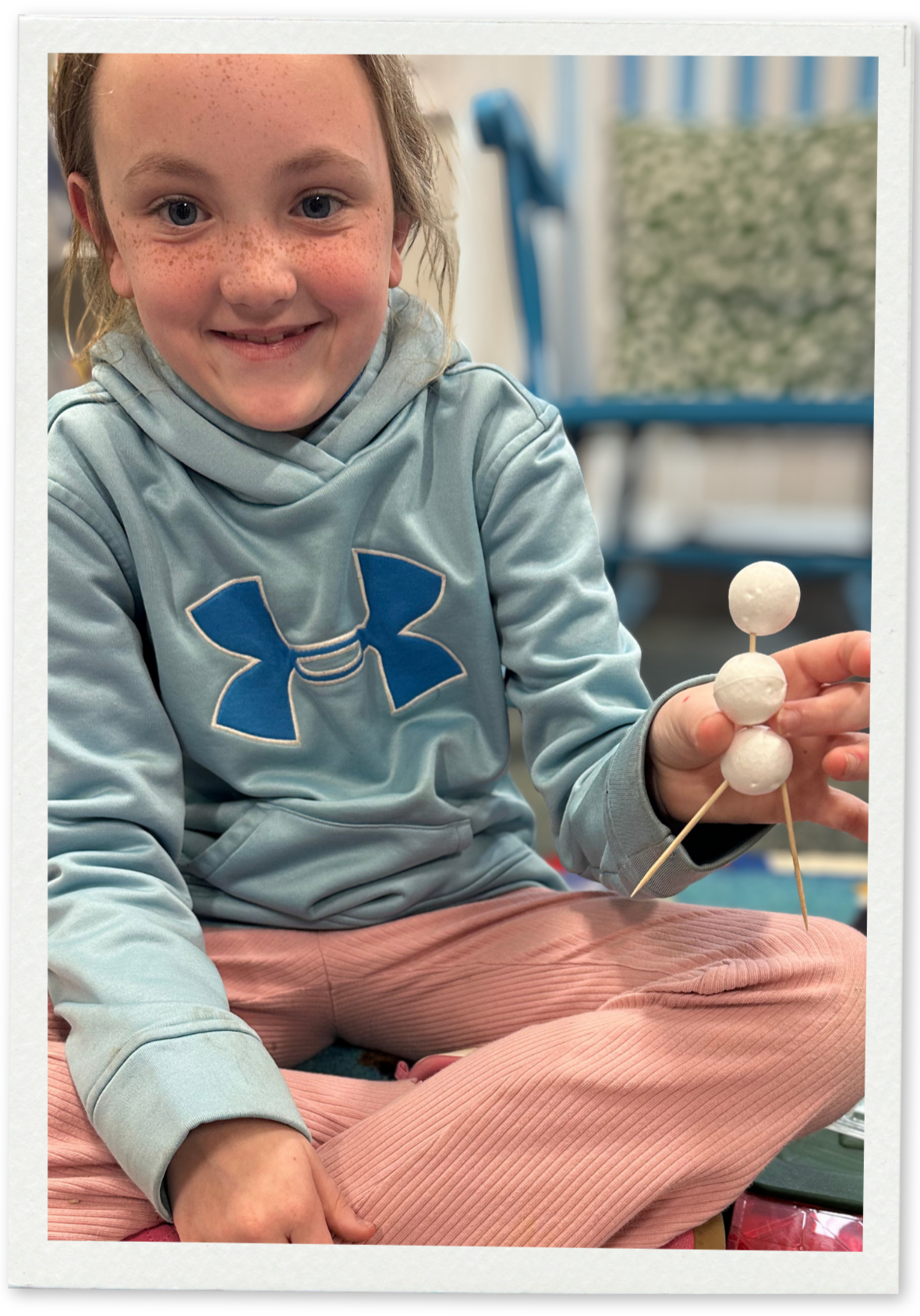
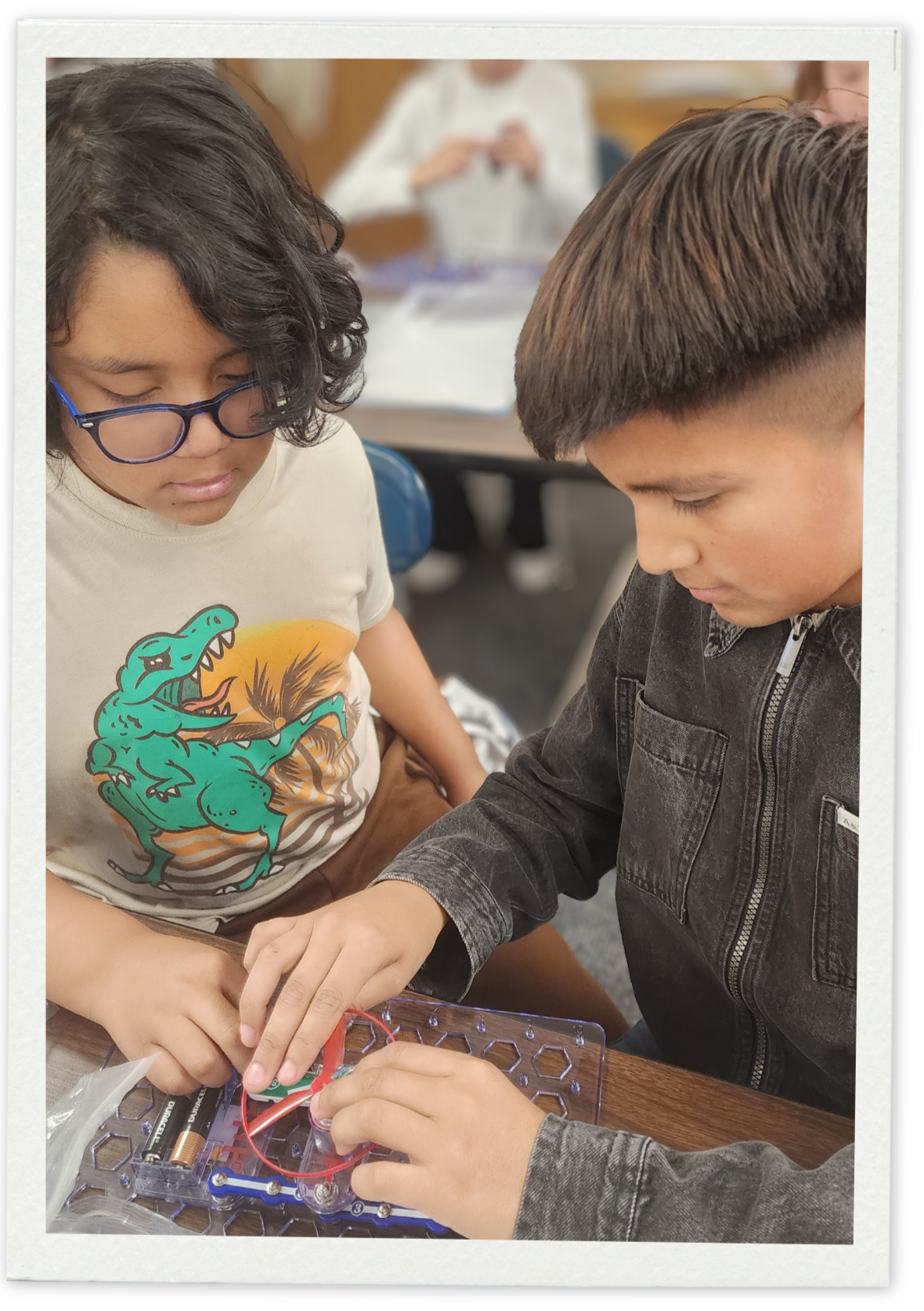
Examples of funded projects:
Elementary:
Reading Intervention Program Supplies/Software
Virtual Author Visits
Handmaking pottery with North Carolina clay
Weather Watchers: Creating a School Weather Station
Math in Motion (movement-based learning)
Hands-On Phonemic Awareness and Phonics
Garden supplies for EC students
Middle School:
Drones for STEM and Video Classes
Reusable robotics kits
Renaissance Around the World Art Project
Hands on Geometry
Great Books in the hands of Great Kids
Breakout EDU Boxes
High School:
Podcasts & Possibilities
Gel Electrophoresis for All
Art Design and 3D Scanner
Mobile Video Production Kit
Sponsoring Self-Regulation through Neuroscience
New Camera and Professional Lighting for News Broadcast Club